



The Data-Driven Dynasty: How AI is Revolutionizing Player Performance in 2026
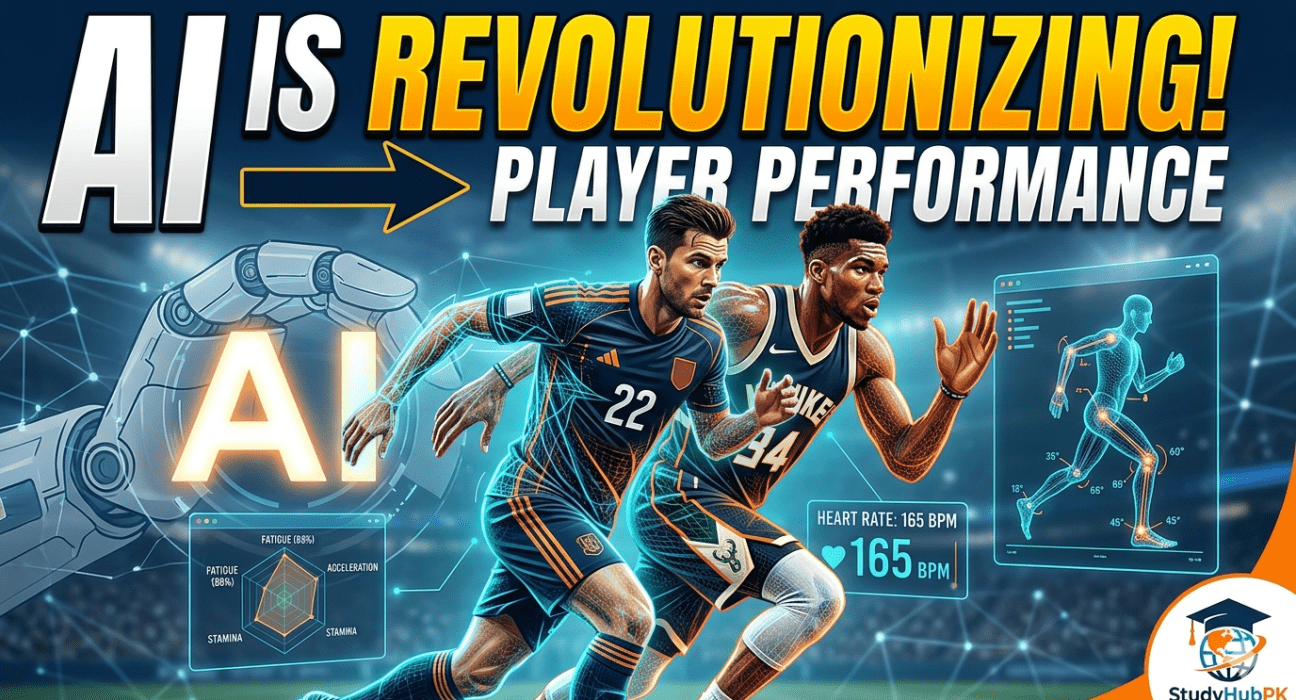
Artificial Intelligence has transformed from a futuristic concept into the operational backbone of professional sports. As of 2026, the integration of AI with wearable technology and computer vision has shifted the focus of sports science from reactive treatment to proactive, data-driven optimization.
1. Precision Monitoring via AI-Wearable Fusion
Modern elite sports, including basketball, American football, soccer, and handball, have fully adopted wearable sensors to monitor key performance indicators (KPIs).
- Actionable KPIs: AI models now track and predict metrics such as total distance run, maximum metabolic power, and accumulated acceleration load to gauge player intensity and fatigue levels.
- Predictive Modeling: Advanced architectures like Long Short-Term Memory (LSTM) networks significantly outperform traditional statistical methods in forecasting these metrics, allowing coaches to adjust training loads before exhaustion sets in.
- Real-Time Feedback: Emerging systems provide haptic or visual feedback—such as vibrating wearables—to prompt immediate technical corrections during a game or practice.
2. The Era of Proactive Injury Prevention
The most significant revolution has occurred in athlete health, where AI is moving the needle from “when will they recover?” to “how can we prevent the injury?”.
- Prediction Accuracy: AI-based motion recognition systems can now predict injury risk with approximately 85% to 90% accuracy by identifying subtle movement deviations and muscular imbalances that the human eye cannot detect.
- Multimodal Fusion: Modern frameworks combine data from inertial measurement units (IMUs), heart rate sensors, and even medical imaging to create a comprehensive risk portrait for each athlete.
- Fatigue Detection: Systems can detect “hidden” risk patterns, such as fatigue-induced gait changes, in real-time, enabling staff to make evidence-based decisions on player substitution or rest.
3. Tactical Mastery and Intelligent Scouting
Beyond physical health, AI is redefining the strategic landscape of professional leagues.
- Position-Specific Clusters: AI is used to group players by playing style rather than traditional positions, helping teams identify unique talent fits and optimize team composition.
- Digital Twins: Cutting-edge research is now focusing on Digital Twins—individualized athlete simulations that allow coaches to “test” the impact of different training protocols or game strategies on a specific player’s body before implementing them.
- Automated Insights: Large Language Models (LLMs) and Generative AI are being used to synthesize vast amounts of game data into actionable scouting reports and real-time tactical advice for coaching staff.
Best Title Options
- The Predictive Playbook: How AI and Wearables are Redefining Elite Performance.
- Beyond the Human Eye: The 2026 Revolution of AI in Professional Sports.
- From Data to Dynasty: Building the Modern Athlete with Artificial Intelligence.