






Sustainable Energy Breakthroughs: 5 New Technologies Powering Cities in 2026
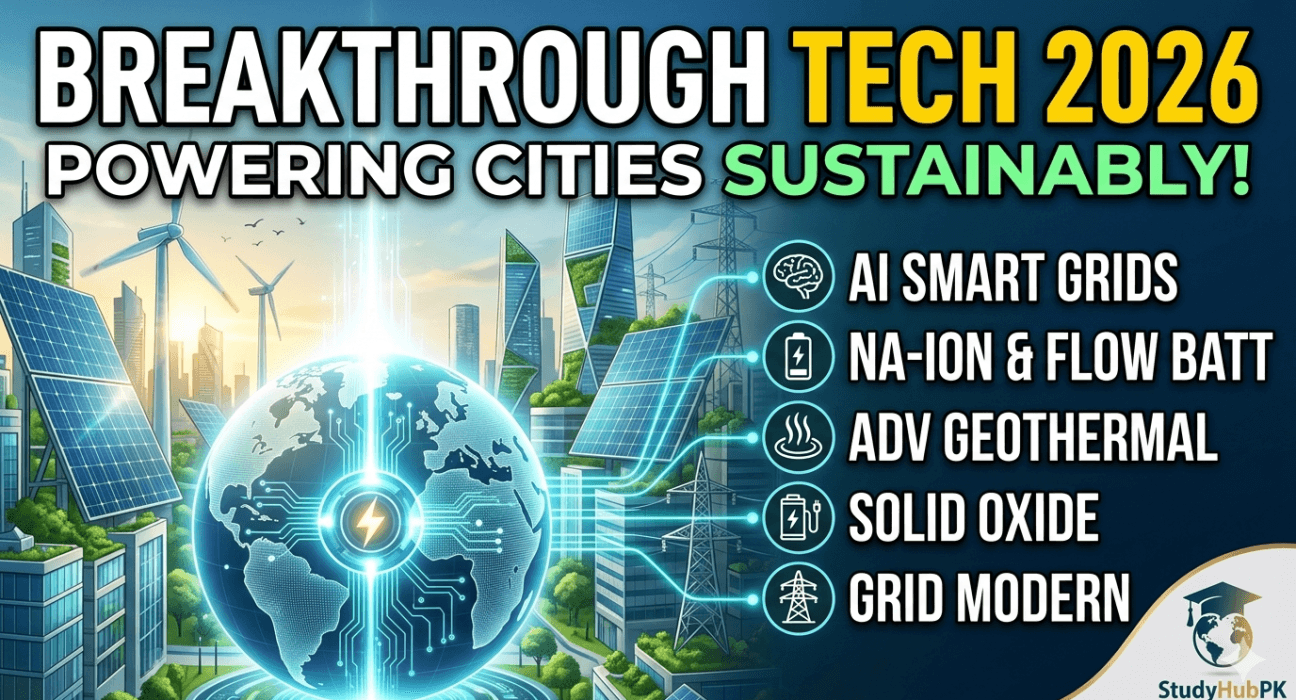
As of May 2026, the global energy landscape has reached a critical tipping point. Driven by the explosive power demands of Artificial Intelligence (AI) and data centers, cities are rapidly integrating advanced sustainable technologies to maintain grid stability while meeting decarbonization goals.
1. AI-Driven Smart Grids and VPPs
Artificial Intelligence is no longer just a consumer of energy; it is the brain of the modern city grid. Virtual Power Plants (VPPs) use AI to orchestrate thousands of decentralized energy sources—like rooftop solar and EV batteries—into a single, reliable power supply. These systems balance supply and demand in real-time, significantly reducing the need for traditional, carbon-heavy “peaker” plants during high-demand periods.
2. Diversified Battery Chemistries (Sodium-Ion & Flow)
While lithium-ion remains common, 2026 marks the commercial rise of Sodium-ion and Flow batteries. Sodium-ion offers a more sustainable, lower-cost alternative using abundant materials, while Flow batteries provide the long-duration storage needed to keep cities running through days without sun or wind.
3. Enhanced Geothermal Systems (EGS)
Next-generation geothermal technology is finally providing the “clean firm power” cities need. By using advanced drilling techniques to tap into heat deep underground—regardless of natural hot springs—companies are now delivering carbon-free, 24/7 baseload electricity that complements variable sources like solar and wind.
4. Solid Oxide Fuel Cells for Onsite Power
To bypass strained municipal grids, high-density areas and AI facilities are increasingly deploying Solid Oxide Fuel Cells. These systems generate clean, reliable electricity directly on-site with significantly lower emissions than combustion-based generators, serving as a vital bridge for urban infrastructure that cannot wait years for new grid connections.
5. Dynamic Line Rating (DLR)
Grid modernization is being supercharged by Dynamic Line Rating technology. By using real-time weather sensors to monitor transmission lines, utilities can safely increase the power capacity of existing wires by 10–50%. This breakthrough allows cities to funnel more renewable energy through old infrastructure without the massive cost of building new physical lines.